
Tourist guideIf you’re walking around Tama in one day, you can enjoy the changing scenery by connecting the springs of Kokubunji and the parks of Tachikawa with a “water to greenery” flow. In the morning, you can experience the springs and ancient history at the foot of the Kokubunji cliff, and in the afternoon, you can enjoy the wide-open sky and seasonal plants at Showa Memorial Park.
TRAVEL INFORMATION
Overview of a model day trip itinerary for sightseeing in Tama
- Morning: From Kokubunji Station South Exit to Otaka-no-michi and Manzashi-no-ike Spring Group
- Lunch: Rest around Kokubunji Station or take the Chuo Line to Tachikawa.
- Afternoon: Showa Memorial Park. Use either the Tachikawa Gate or the Nishi-Tachikawa Gate.
- Transportation: Combine the Chuo Line and walking.
- Preparation: Wear comfortable walking shoes, bring drinks, and check the opening hours of the facility/park.
COURSE GUIDE
This article outlines a route that starts from Kokubunji Station, involves walking along Otaka-no-michi and the Manzashi-no-ike spring group, then moving to Tachikawa in the afternoon to enjoy Showa Memorial Park, along with ways to adjust the walking time if you wish to shorten it.
What’s interesting about this course?
Kokubunji and Tachikawa are connected by the Chuo Line, but what you see changes dramatically once you get off the train. In Kokubunji, water collects at the foot of a cliff, and narrow walking paths and historical sites remain. In Tachikawa, you can choose your own destination while walking through a large park. The appeal of this course is that you can experience not only urban travel but also changes in topography throughout the day.
Check the official access information for Showa Memorial Park. ↗
Decide the day’s itinerary in advance.
| Time slot | Main locations | Things to decide |
|---|---|---|
| morning | Otaka-no-michi and Manzashi-no-ike Spring Water Group | Which should take center stage: the spring water or the history? |
| noon | Around Kokubunji Station or via the Chuo Line | Should we have lunch and then head to Tachikawa? |
| afternoon | Showa Memorial Park | Choose one location to view from: Tachikawa Gate or Nishi-Tachikawa Gate. |
| When shortening | Around the station and park entrances | Shorten your stay to leave yourself more time for your return trip. |
Morning | From Kokubunji Station to Spring Water and History
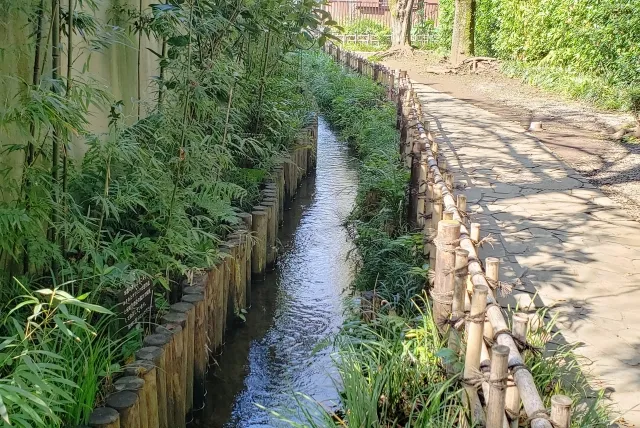
From the south exit of Kokubunji Station, head towards Otaka-no-michi and the Manzashi-no-ike spring group. Otaka-no-michi gets its name from the fact that it was a falconry ground for the Owari Tokugawa family during the Edo period. A walking path of approximately 350 meters has been built along the clear stream where spring water collects at the foot of the cliff.
A legend persists that when Tamatsukuri no Komachi, who suffered from illness, purified herself in the pond’s waters, she returned to her original form. Knowing why this place is called “Managata” (meaning “true form”) changes your impression of the pond, in addition to appreciating the waterside scenery.
Lunch | Rest in Kokubunji or head to Tachikawa
After finishing your morning stroll, you can have lunch near Kokubunji Station or take the Chuo Line to Tachikawa. The path along the spring is narrow, so don’t cram too much time into your walk, and be sure to check the opening hours and closing days of any facilities.
Afternoon | Choose your entrance at Showa Memorial Park
The attractions closest to you in Showa Memorial Park vary depending on the entrance you use. If you’re coming from Tachikawa Station, the Tachikawa Gate is a good choice. If you’re coming from Nishi-Tachikawa Station and heading towards the waterfowl pond or flower garden, the Nishi-Tachikawa Gate is a good option. Deciding whether you want to see flowers, relax on the lawn, or visit the cultural facilities will help you avoid being overwhelmed by the park’s size.
Preparation for a day of walking
In the morning, we walked along the waterfront and explored historical sites.
At Otaka-no-michi and Manazashi-no-ike, you can experience the scenery of spring water and the stories of the land.
I’ll move to Tachikawa in the afternoon.
I’ll either rest in Kokubunji or take the Chuo Line to Tachikawa and decide on my afternoon plans.
I’ll stick to just one thing in the park.
Choose an entrance and places you want to see, and walk at a comfortable pace, including breaks.
From water to greenery, the pace of the scenery changes.
This model course allows you to experience how the density of scenery changes even within the Tama area, by walking through the springs and history of Kokubunji and then moving to a large park in Tachikawa. The transition from looking at your feet along a narrow waterway to gazing at the sky and lawns at Showa Memorial Park ensures that you will leave a lasting impression of the day even without visiting numerous famous landmarks.
In the morning, I’ll slowly read stories about watersides.
Walking along Otaka-no-michi and Manazashi-no-ike, you’ll not only enjoy the sound of the spring water, but also gain depth from learning about the origin of the name Otaka-no-michi and the legend of Manazashi-no-ike. If you plan to visit museums and historical sites, check their opening days beforehand, and instead of trying to see everything, decide on one theme you want to learn about that day to make your walk easier.
In the afternoon, I focused on one objective at Showa Memorial Park.
Because the park is so large, you’ll spend a lot of time just moving around if you try to see all the flowers, ponds, lawns, and cultural facilities. Choose either the Tachikawa Gate or the Nishi-Tachikawa Gate depending on your destination, and once inside, it’s better to stay in one area, including the rest areas, to better appreciate the differences between this park and Kokubunji.
Recommended route
- Decide on your goals for the morning.Walk along the Otaka-no-michi path and the Manzashi Pond, and decide whether you want to focus on the waterfront or the history.
- I’ll make a decision about what to do at Kokubunji during the day.I’ll decide whether to rest around the station or take the Chuo Line to Tachikawa, depending on how much time I have left in the morning.
- I chose the entrance to Showa Memorial Park.You decide whether to go through the Tachikawa Gate or the Nishi-Tachikawa Gate, depending on where you want to see.
- Focus on one objective within the park.I don’t try to see all the flowers, ponds, lawns, and cultural facilities at once; I just walk around, taking breaks along the way.
- Leave some time for the return trip.If the morning session runs longer than expected, we will adjust the schedule accordingly, such as shortening the afternoon session.
A decision to avoid overscheduling your day.
The path along the spring is narrow, and you’ll be walking more than you might expect within the park. If your morning stay extends beyond the scheduled time, be prepared to adjust your plans along the way, such as shortening the afternoon or limiting yourself to just the area around the station. The value of this course lies in not letting travel time become a gap in your sightseeing, but rather enjoying it as a section where the scenery changes.
- If you plan to visit any facilities or museums, check their opening days and hours in advance.
- Since the nearby attractions in Showa Memorial Park vary depending on which entrance you use, decide on your destination first.
- Since we’ll be walking both along the waterfront and in the park, bring comfortable shoes and a drink.
- After rain, the paths along the springs and the dirt paths in the park become slippery, so watch your step.
- If the walk is long, shorten the afternoon to leave more time for the return trip.
Reasons for seeing Kokubunji and Tachikawa on the same day
The spring water of Kokubunji flows quietly along the base of the cliff, while Showa Memorial Park in Tachikawa offers expansive views of the sky and lawns. Connecting the two places shifts the gaze of walkers from the water at their feet to the distant greenery. Unlike a day spent deeply exploring one of the locations, this model course allows you to compare the topography of Tama and the way its cities were built.
The course is still valid even if it is shortened midway through.
If you spend time exploring the springs and historical sites in the morning, you can limit your afternoon visit to just the area around the park entrance. Conversely, if you can leave early in the morning, you can walk around the park a little longer. Don’t fix the travel time and stay duration; be flexible and decide along the way whether to focus on Kokubunji or Tachikawa. Even if you shorten your schedule, the theme of the scenery changing from water to greenery will remain.
If you’re going to capture it in a photograph, take a picture of the boundary between the landscapes.
The shade of the trees along the spring, the slope leading out to the town, the park entrance, the expansive lawn—taking photos not only of the main landmarks but also of the places where the scenery changes will convey the unique characteristics of this course. When you arrange the photos after returning home, you’ll truly feel that you walked through the narrow waterfront of Kokubunji and the vast greenery of Tachikawa in a single day.
FAQ
Is it possible to visit Kokubunji and Tachikawa on the same day?
You can do it. If you walk around the springs and historical sites of Kokubunji in the morning, take a break at lunchtime or travel to Tachikawa on the Chuo Line, and then focus on one main objective at Showa Memorial Park in the afternoon, it will be a manageable schedule.
Which entrance should I use to enter Showa Memorial Park?
If you’re coming from Tachikawa Station, the Tachikawa Gate is a good option. If you’re coming from Nishi-Tachikawa Station and heading towards the waterfowl pond or flower garden, the Nishi-Tachikawa Gate is a good choice. Check the official access information for the places you want to see before making your decision.
Can you shorten the walking time?
Yes, you can. If you spend time exploring the springs and historical sites in the morning, you can shorten your afternoon by only visiting the area around the park entrance. The transition from water to greenery will remain the same.
Things to be careful of on rainy days or after it rains?
The paths along the spring and the dirt paths in the park can become slippery, so please wear comfortable shoes and watch your step. If the weather is unstable, we will leave room to change our plans and spend time indoors or near the station.
Official Information
Park guide for Kokubunji City ↗
Official access information for Showa Memorial Park ↗
Park opening hours, fees, closing days, entrances, and facility usage conditions are subject to change. Please check the latest information on each official website before your visit.
Next to read
※The information provided is current as of September 16, 2026. Please note that facility opening hours, closing days, fees, and entrance information may change, so please check for the latest information before visiting.